All You Need to Understand About the VR6 Engine: Facts and Insights
The VR6 engine represents a noteworthy improvement in vehicle engineering. Its unique design combines the qualities of V6 and inline engines, offering advantages in power and performance. Introduced by Volkswagen, it has actually developed an online reputation in numerous popular designs. Nonetheless, as the sector shifts in the direction of electrification, the VR6 faces brand-new challenges. What does the future hold for this iconic engine? Discovering its engineering and efficiency may disclose surprising understandings.
The Design Behind the VR6 Engine
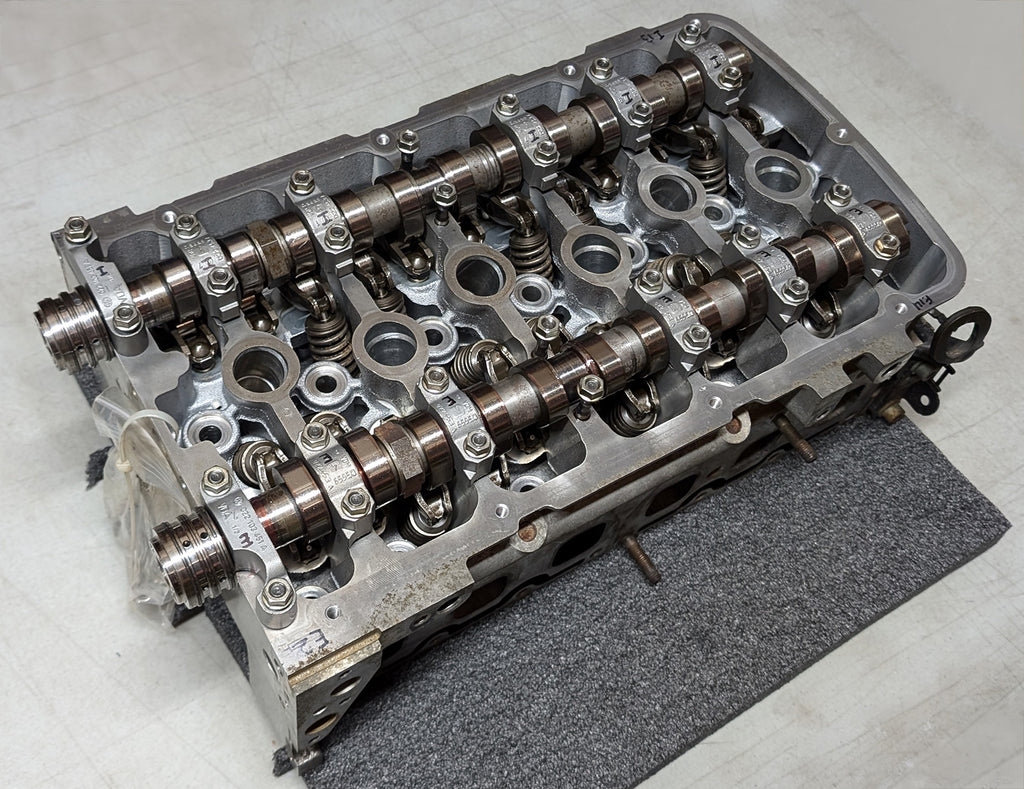
The VR6 engine might show up to be a complicated layout, its engineering concepts are rooted in a blend of efficiency and efficiency. This one-of-a-kind setup integrates the features of a V6 and an inline engine, permitting for a portable design that fits in smaller sized engine bays. The VR6 features a narrow angle between the cylinder banks, typically around 15 degrees, which decreases overall width while preserving a smooth power shipment. In addition, the engine employs a single cyndrical tube head, simplifying production and upkeep. This layout enhances thermal efficiency and lowers weight, contributing to boosted handling and responsiveness. With its equilibrium of power and density, the VR6 continues to be a significant achievement in auto design, interesting both efficiency fanatics and everyday chauffeurs alike.
Historical Relevance of the VR6
What makes the VR6 engine traditionally substantial in the auto globe? Introduced in the early 1990s by Volkswagen, the VR6 redefined the small engine design by combining the characteristics of an inline and a v6 engine. This cutting-edge design allowed for a much shorter engine size, allowing its setup in smaller sized automobiles without giving up power. The VR6 quickly got appeal for its unique sound and smooth performance, coming to be a hallmark of numerous Volkswagen and Audi versions. Its capacity to supply an equilibrium of power and performance made it a desirable selection for enthusiasts and manufacturers alike. Additionally, the VR6's influence can be seen in the advancement of engine layout, as it paved the means for more compact and versatile powertrains in the vehicle market.
Performance and Effectiveness Comparisons
When comparing efficiency and performance, the VR6 engine stands out as a result of its unique layout, which enables it to supply excellent power output while preserving extensive gas economic situation (vr6). The engine's compact configuration helps with a balance in between power and weight, improving handling and responsiveness. Commonly, VR6 engines create a robust torque contour, adding to a vibrant driving experience. This characteristic is specifically valuable in metropolitan settings where acceleration is crucial. Furthermore, innovations in gas shot and adjusting have actually boosted thermal efficiency, causing reduced exhausts contrasted to various other engine styles. While turbocharged variants might supply greater efficiency, the VR6 takes care of to give a satisfying mix of power and performance, making it an appealing option for both lovers and everyday drivers alike
Popular Autos Including the VR6
The VR6 engine has actually acquired popularity in a selection of vehicles, showcasing its convenience and performance capacities. Primarily related to Volkswagen and Audi, this engine setup has actually been included in models such as the Volkswagen Golf, Jetta, and Passat, where it supplies an equilibrium of power and effectiveness. The Audi A3 and TT also utilize the VR6, supplying a sporty driving experience. Furthermore, the Volkswagen Touareg and Porsche Cayenne have employed this engine to boost their efficiency in the SUV segment. Understood for its portable design, the VR6 enables manufacturers to maximize area while providing impressive horse power and torque. This flexibility has actually made the VR6 a popular option among automotive lovers and makers alike.
Future of the VR6 Engine in the Automotive Industry

Often Asked Concerns
What Is the Normal Lifespan of a VR6 Engine?
The typical lifespan of a VR6 engine varies from 150,000 to 200,000 miles, thinking normal maintenance and treatment. Elements such as driving practices, ecological conditions, and engine modifications can considerably affect durability.
Just how Does the VR6 Engine Noise Contrasted to Various Other Engines?
The VR6 engine produces a distinct roar, identified by its unique shooting order and setup. Compared to inline or V8 engines, it supplies a smoother noise profile, often explained as a deep, throaty grumble.
Exist Any Kind Of Typical Issues With the VR6 Engine?

What Kind of Oil Is Best for a VR6 Engine?
The very best oil for a VR6 engine is typically a top notch artificial oil here with a thickness rating of 5W-30. This assures peak performance and defense, particularly under differing temperature problems and driving designs. Regular modifications are vital.
Can the VR6 Engine Be Exchanged Into Various Other Vehicles?
Yes, the VR6 engine can be switched right into other automobiles, but compatibility depends upon factors like mounting factors, transmission options, and circuitry. Fanatics often undertake these swaps to enhance performance in numerous lorry versions.